Lappato tile: definition, features and advantages
Choosing tiles for facing works can really be a difficult task, because each type has its advantages.Ceramic tile is a strong and reliable finishing material that does not react to household chemicals and has high fire resistance and wear resistance. Due to its low water absorption (less than 0.05%), it is ideal for use in bathrooms and kitchens.

Surface types of ceramic tiles
Ceramic tiles are classified by the method of surface treatment into two main categories:
1. Unglazed ceramic tile (or biscuit) is a tile without glaze, which has high strength characteristics. It is resistant to frost and slipping, thanks to which it can be used both in the interior and on facades. The color is achieved by adding metal oxides to the raw material composition.

An example of such a tile is broom tile, which is made of high-strength clay, water and pigments. The drawing is created in it on the entire thickness of the material.
2. Glazed ceramic tiles are tiles with a smooth surface and a variety of colors and patterns. The glaze, which is a mixture of mineral salts and glass, gives the tile a shine and improves its technical characteristics, such as waterproofing and frost resistance.

Surface types of ceramic tiles
Lapated tile, or semi-polished, is subjected to a special treatment, which gives it a unique decorative effect. Developed by the Italians, this process involves sanding the glazed surface, creating a contrast between shiny and matte areas.

The decorative value of lapped tiles
The lappato surface has a distinct aesthetic and is in high demand among designers. Intermittent reflections of light give it volume, and the absence of bright reflections makes it comfortable to perceive. Lapped tiles easily imitate different materials, such as marble, wood or stone, which allows you to create elegant interiors.

Technical characteristics of lapped tiles
Lapated porcelain stoneware is made from a special powder mixture using semi-dry pressing. Its characteristics include:• High strength
• Resistance to sunlight and temperature changes
• Refractory
• Resistance to mechanical damage
• Resistance to household chemicals
• Resistance to sunlight and temperature changes
• Refractory
• Resistance to mechanical damage
• Resistance to household chemicals
Advantages and disadvantages
Lapated tiles are popular in regions with a variable climate due to their resistance to temperature changes. However, due to its strength, a special tool is required for installation. Polished areas can be slippery, so they are not recommended for use on stairs.
 Despite high thermal conductivity, proper thermal insulation will allow the tile to retain heat. The uneven surface hides minor damage, which makes the tile more practical to use.
Caring for lapped tiles
After laying, the tile should be treated with a water-repellent composition, which will simplify further care. Cleaning from construction mixtures should be done carefully so as not to damage the grouting.
If you are interested in tiles of this format, go to our CATALOG, where a wide selection of lapped ceramic granite is presented.
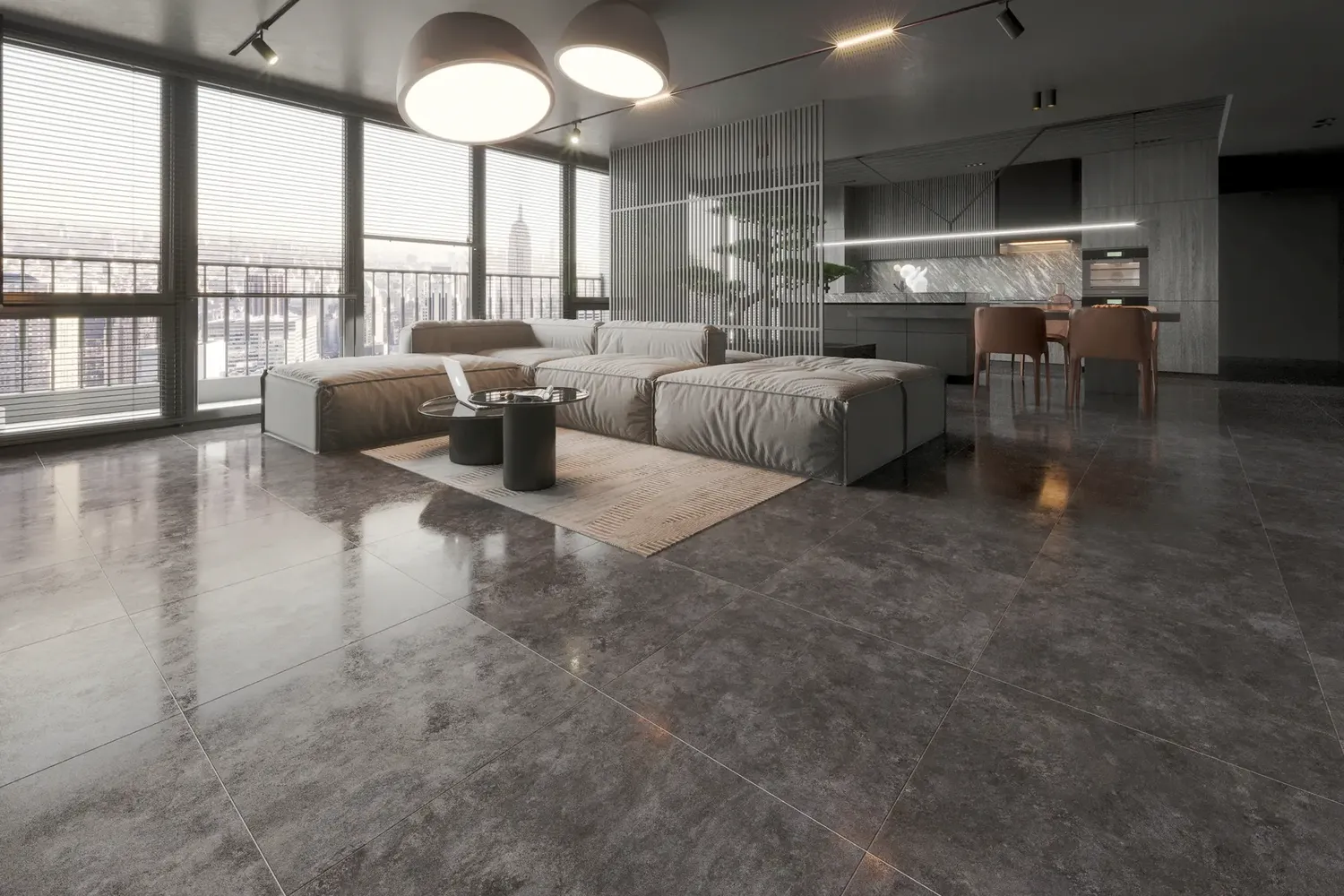
Choosing porcelain tiles - 17 important questions The most common questions that arise in the process of choosing a ceramic granite tile. Today we will try to give comprehensive answers to them.
September 3, 2024Reading: 10 minutes
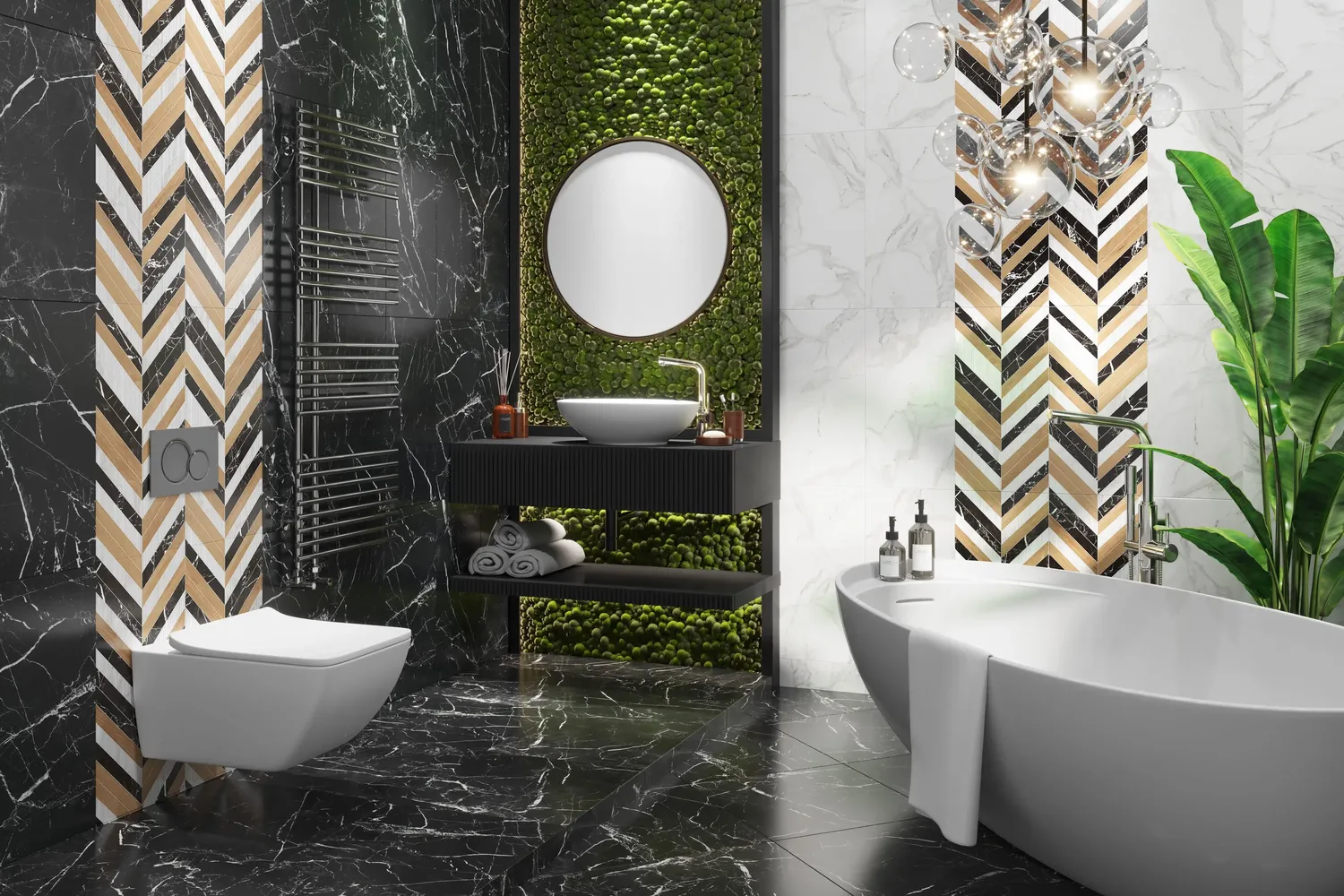
Combination of different surfaces, colors and tile formats How to find that unique style and combination that best suits your needs.
September 16, 2024Reading: 10 хв
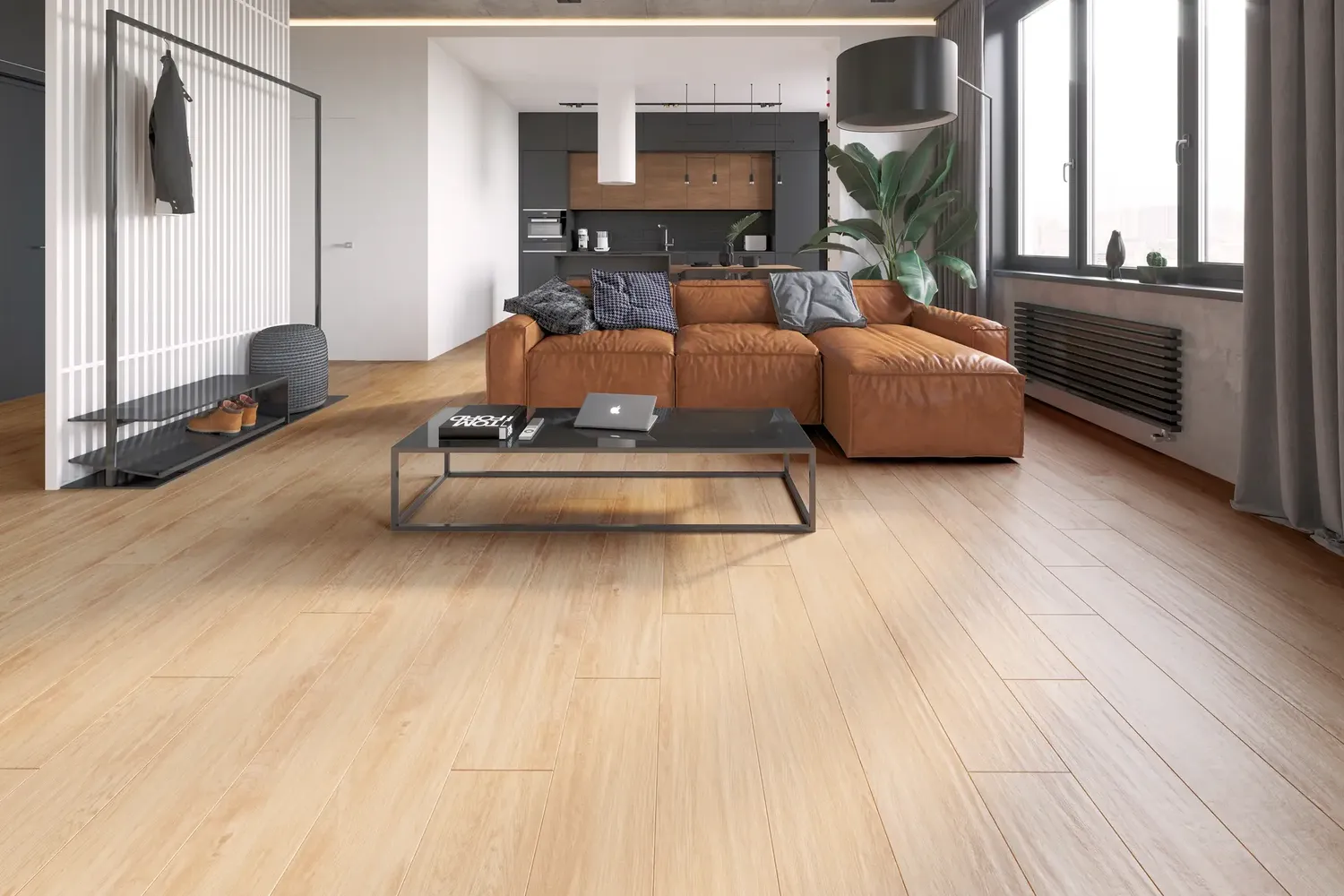
Tiles under wood: recommendations for selection and installation In the interior of an apartment or a private house, natural wood finishing symbolizes wealth and prosperity.
October 2, 2024Reading: 10 minutes
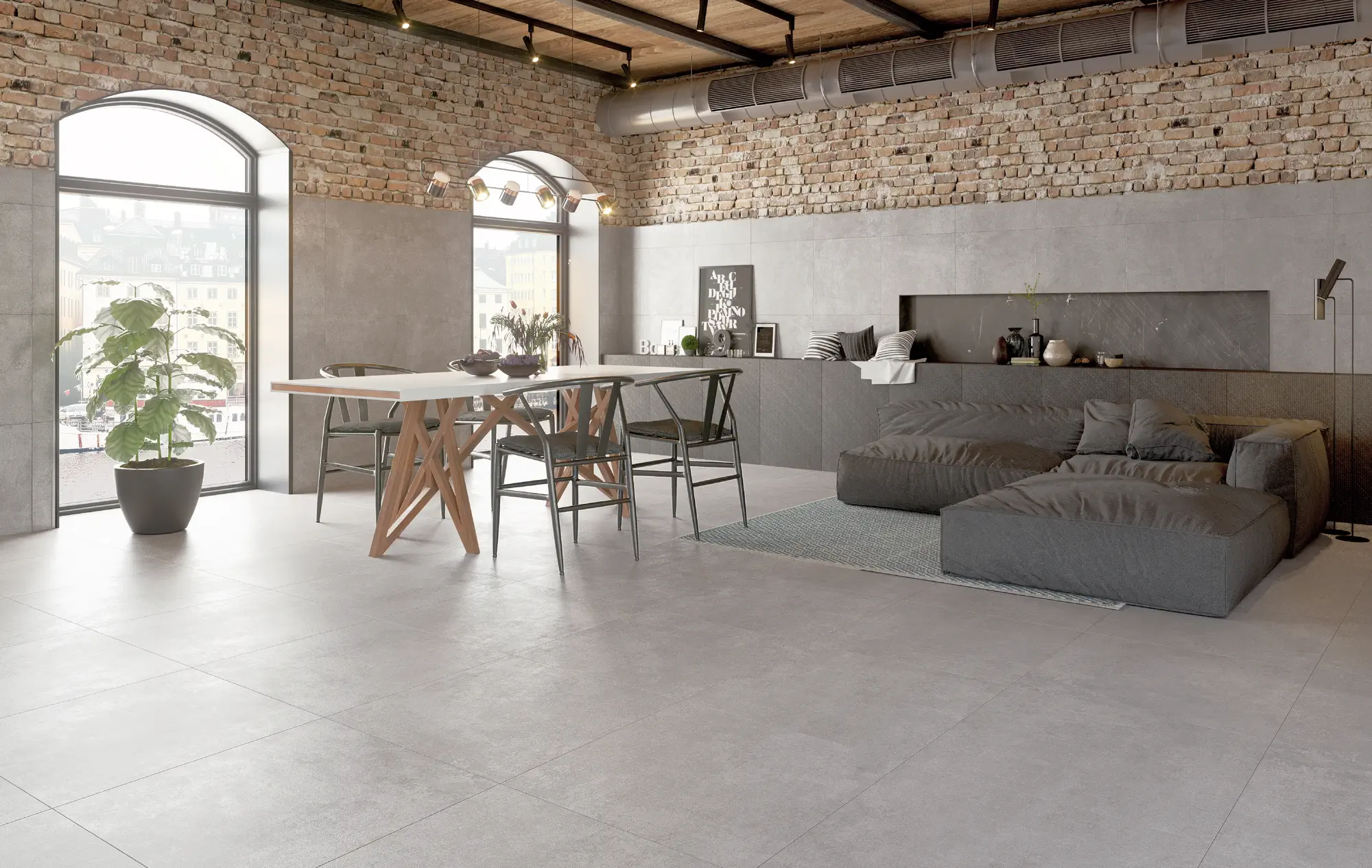
Large-format tiles for the home and buisines: advantages and recommendations Large-format tiles impress with their aesthetic effect, providing a uniform visual flow on walls and floors.
October 7, 2024Reading: 5 minutes
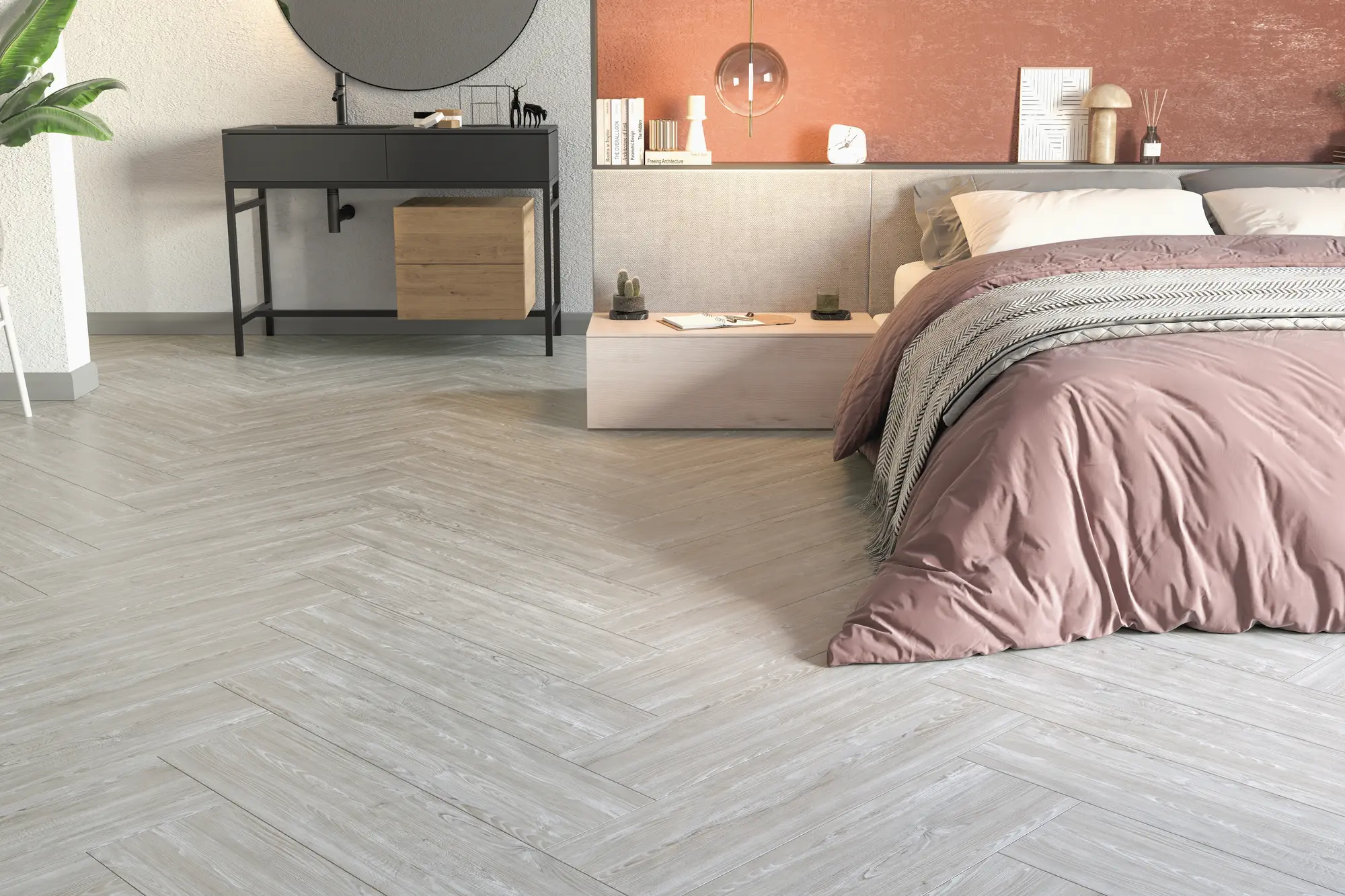
How to choose tiles for the bedroom: options and the advantages of choosing The bedroom, as a rule, is not prone to problems with moisture and dirt. Most often, children do not play here, and the floor does not need to be washed every day. But tiles in the bedroom have their advantages. So let's consider them.
October 15, 2024Reading: 10 minutes
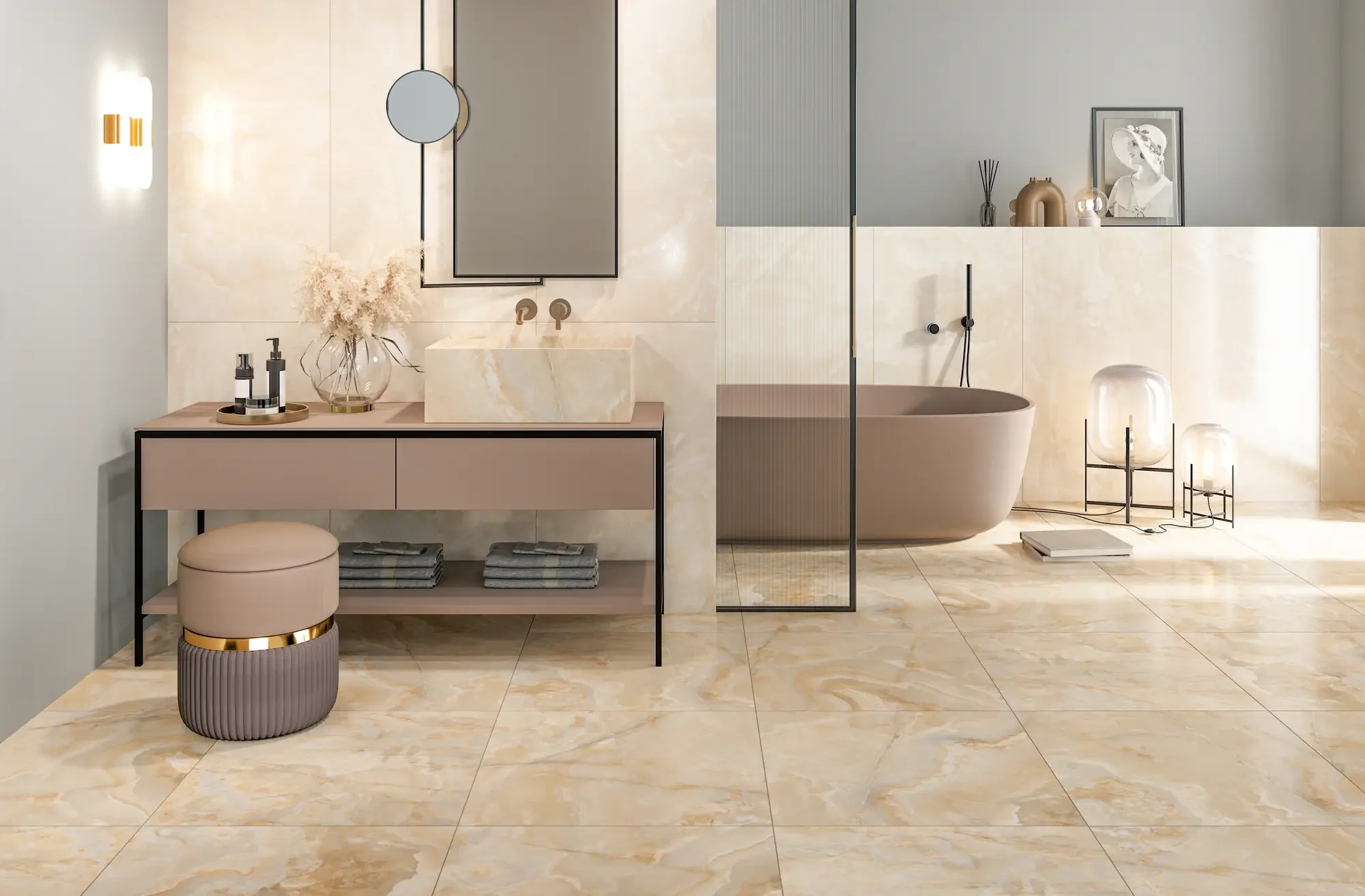
Large format tiles in the bathroom: from mosaic to the present Large-format tiles have recently begun to vibrate in large quantities thanks to porcelain stoneware technology, which ensures high moisture resistance and heat resistance, which allows them to be used to imitate natural materials in design.
November 4, 2024Reading: 10 minutes