Tiles under wood: recommendations for selection and installation
In the interior of an apartment or a private house, natural wood finishing symbolizes wealth and prosperity.Advantages of wood-like tiles
In the interior of apartments and houses, natural wood finishing is considered a sign of prosperity and creates a cozy atmosphere. However, ceramic wood-like tiles are becoming an increasingly popular alternative to parquet and laminate due to their unique qualities.

Ceramic tiles are made from high-quality clay and other natural components. Here are the main advantages of wood-like tiles:
Durability and moisture resistance
Unlike wood, tiles are not afraid of moisture and are not susceptible to fungus and mold. They retain their properties even in rooms with high humidity.

Thermal conductivity
Although the tiles may be cold to the touch, their thermal conductivity depends on their density. Porcelain tiles, due to their high density, are great for “warm floor” systems, unlike wood, which can expand and contract with temperature changes.
Durability
Porcelain tiles retain their original appearance for many years. Manufacturers provide a 5-year warranty, but the actual service life can reach 50 years.
Variety of textures and formats
Tiles can imitate various types of wood, such as oak, pine or birch. Modern digital printing technologies allow for high accuracy in texture reproduction, making tiles almost indistinguishable from real wood.
How to choose and lay wood-look tiles?
Ceramic tile marking
Choosing the right material is important. Tiles are marked for the convenience of consumers, indicating the operating conditions and wear resistance class on the PEI scale.
For example:
- PEII: for residential premises.
- PEIII: for apartments where people wear regular shoes.
- PEIIII: for high-traffic areas (kitchens, hallways).
- PEIV: for public spaces.
Porcelain stoneware is highly moisture resistant, making it an ideal choice.

Types of ceramic tile surfaces
Porcelain tiles can have different surfaces:
- Matte: durable and anti-slip.
- Glossy: decorative, but not recommended for bathrooms and kitchens.
- Semi-polished (lappato): combines roughness and shine, suitable for wet rooms.
- Satin: velvety, highly wear-resistant.
Laying wood-look tiles

Wood-look tiles usually have an elongated shape. It is recommended to lay them in the direction of the light to achieve the best visual effect. The optimal laying pattern is with an offset of 50% of the tile length. For smaller tiles, a herringbone or butt-to-butt laying is suitable.
We hope that we will help you choose and lay tiles that will serve you well for a long time to come.
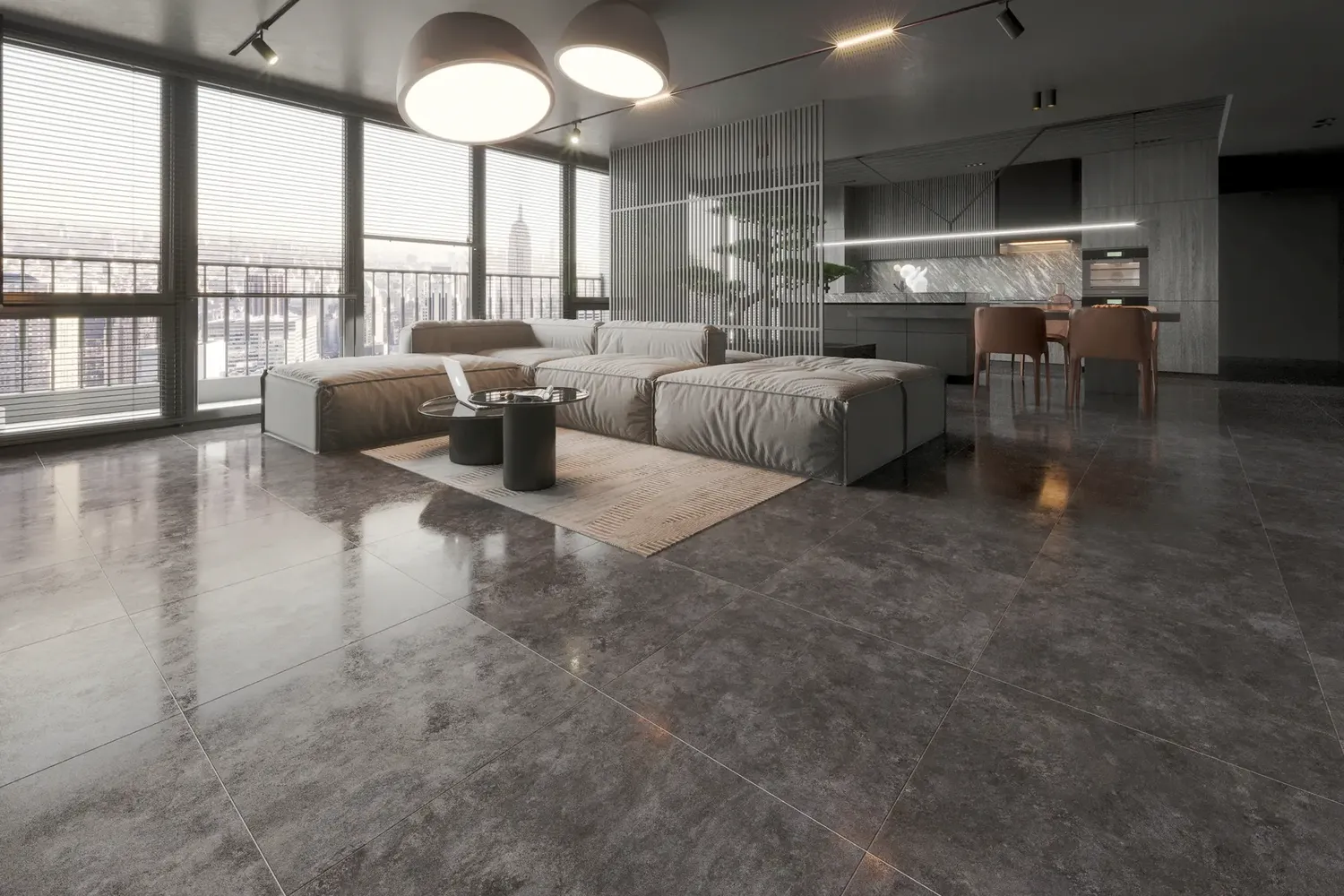
Choosing porcelain tiles - 17 important questions The most common questions that arise in the process of choosing a ceramic granite tile. Today we will try to give comprehensive answers to them.
September 3, 2024Reading: 10 minutes
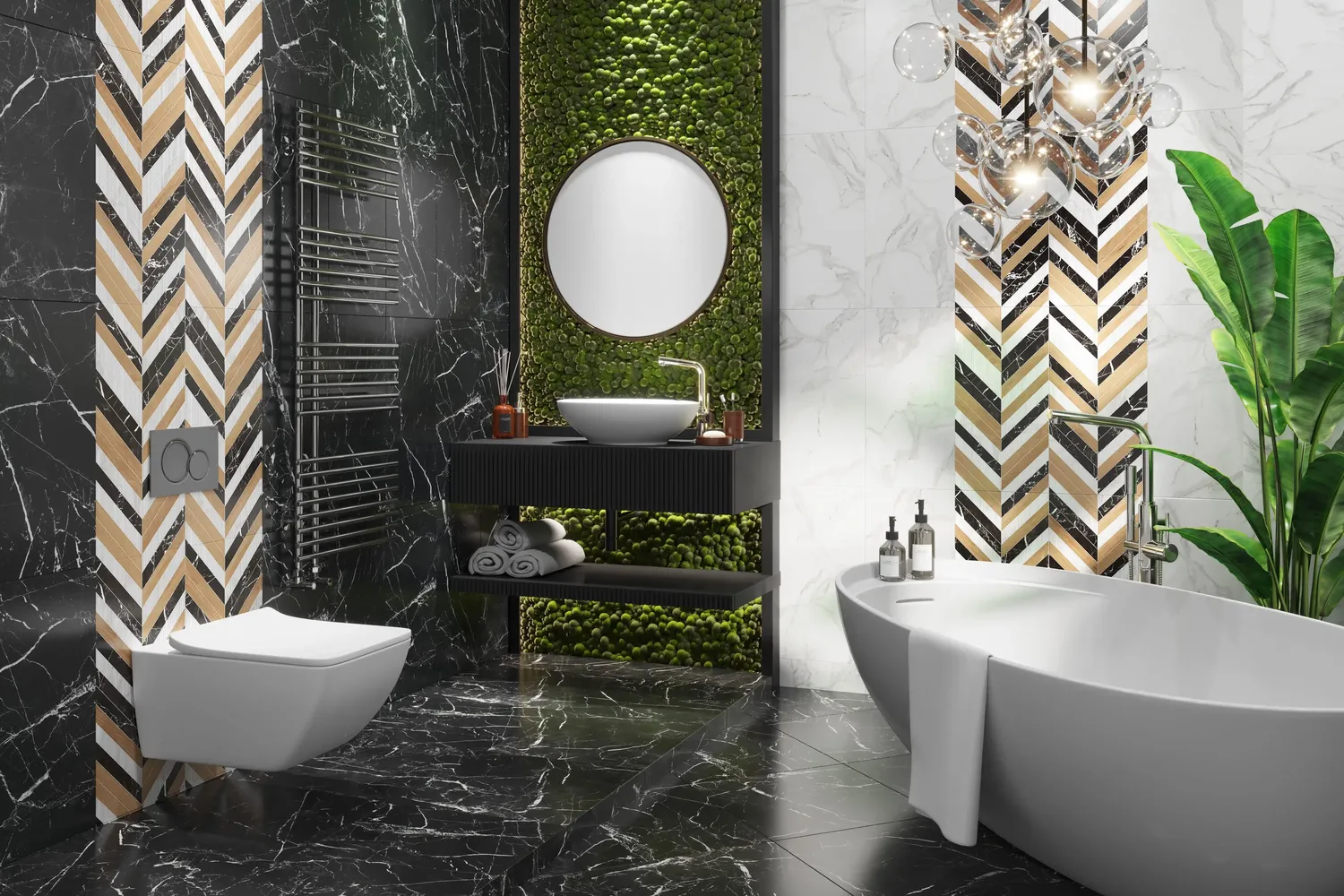
Combination of different surfaces, colors and tile formats How to find that unique style and combination that best suits your needs.
September 16, 2024Reading: 10 хв
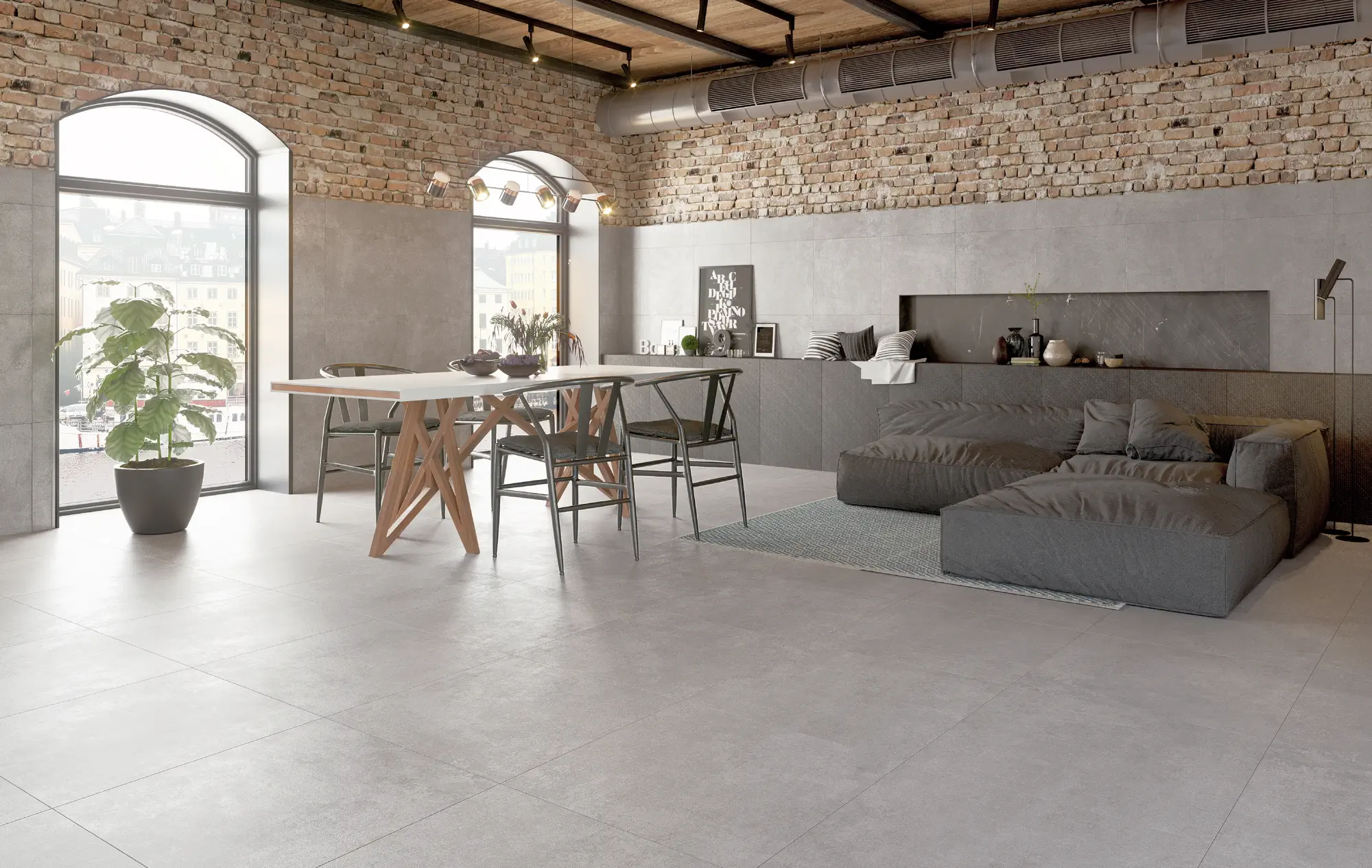
Large-format tiles for the home and buisines: advantages and recommendations Large-format tiles impress with their aesthetic effect, providing a uniform visual flow on walls and floors.
October 7, 2024Reading: 5 minutes
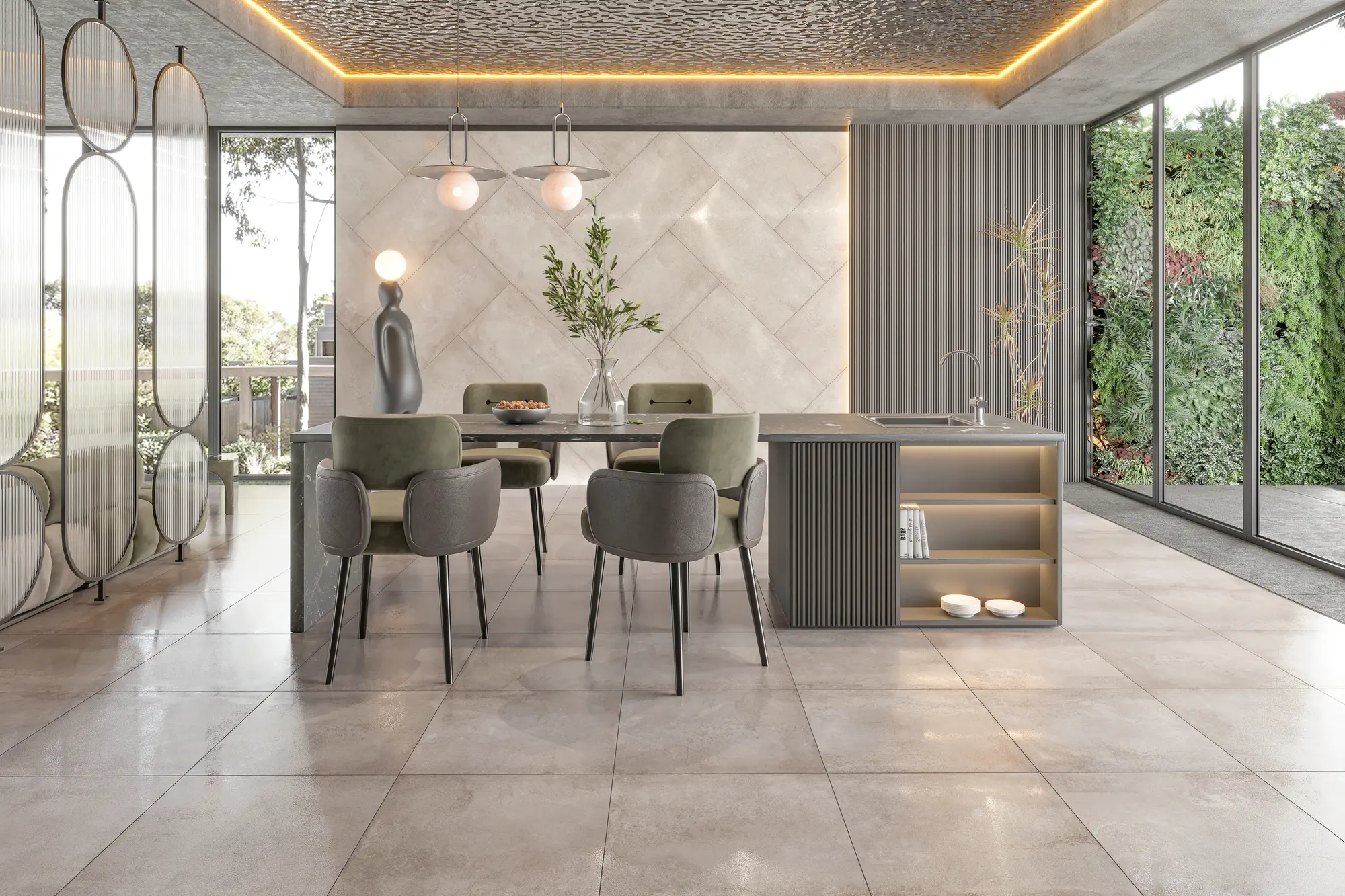
Lappato tile: definition, features and advantages Choosing tiles for facing works can really be a difficult task, because each type has its advantages.
October 11, 2024Reading: 15 minutes
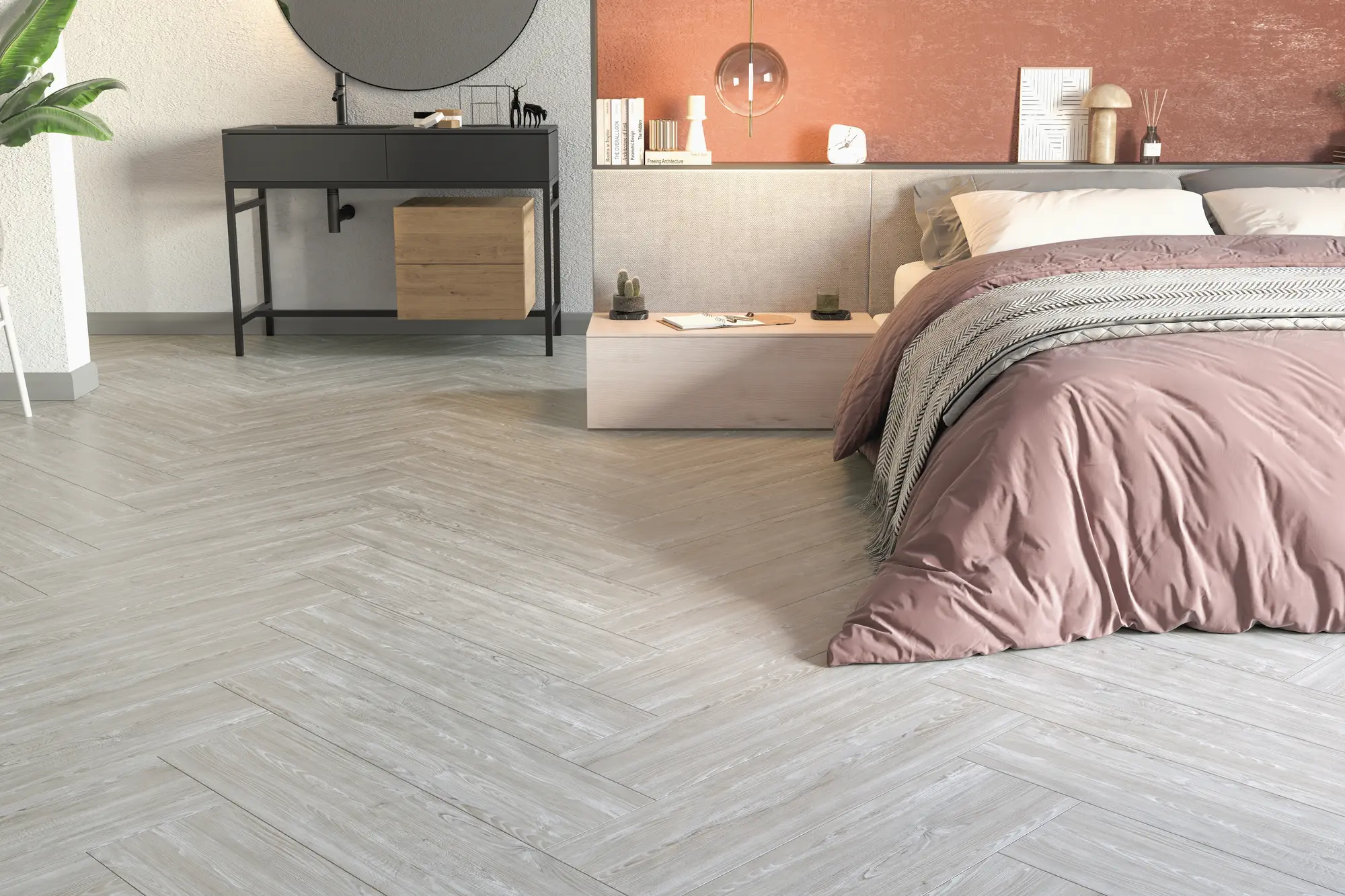
How to choose tiles for the bedroom: options and the advantages of choosing The bedroom, as a rule, is not prone to problems with moisture and dirt. Most often, children do not play here, and the floor does not need to be washed every day. But tiles in the bedroom have their advantages. So let's consider them.
October 15, 2024Reading: 10 minutes
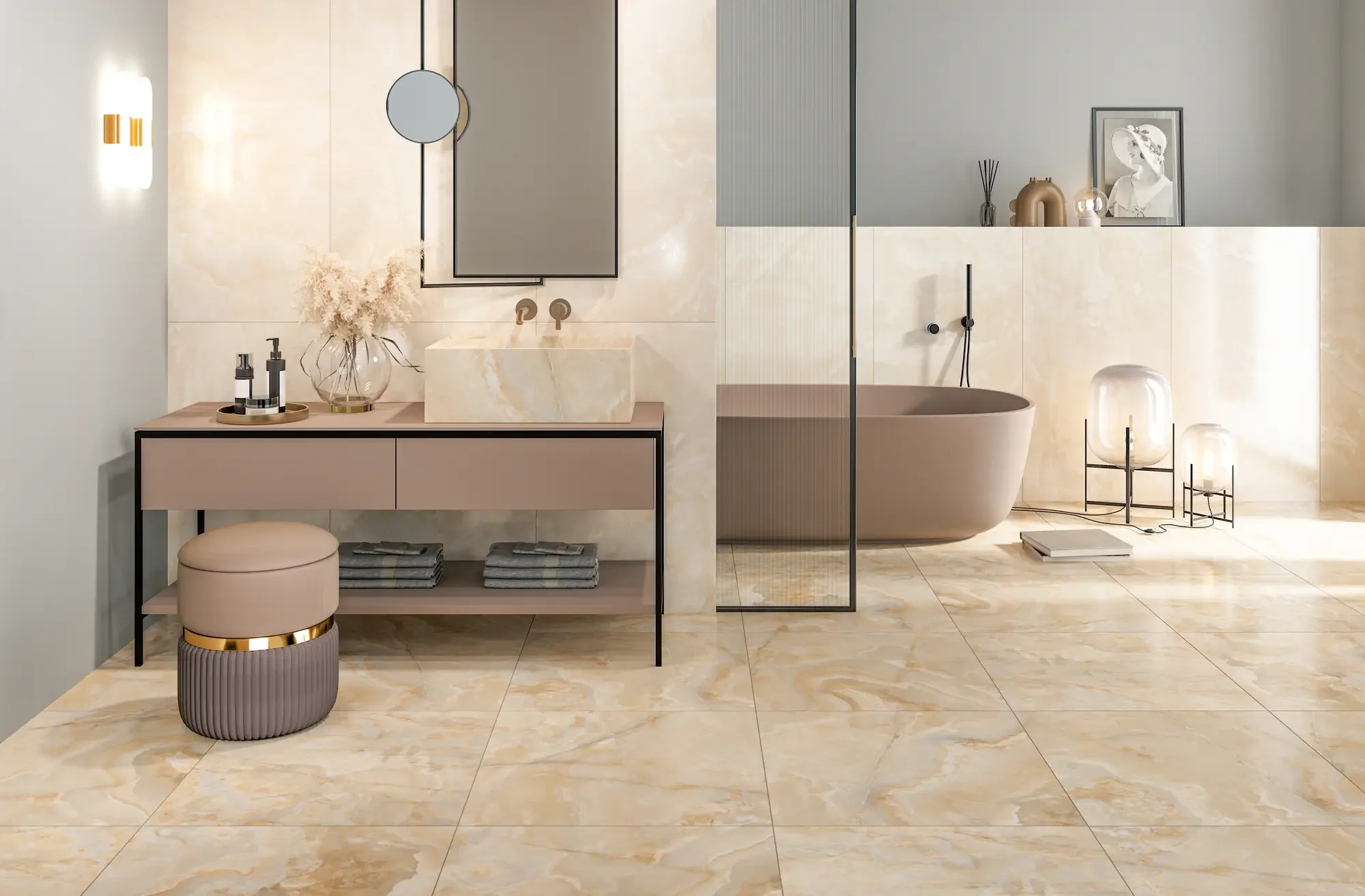
Large format tiles in the bathroom: from mosaic to the present Large-format tiles have recently begun to vibrate in large quantities thanks to porcelain stoneware technology, which ensures high moisture resistance and heat resistance, which allows them to be used to imitate natural materials in design.
November 4, 2024Reading: 10 minutes